

Housing -- in particular its location -- is the primary mechanism for accessing opportunity in our society. Housing location determines the quality of schools that children attend, the quality of public services received, access to employment and transportation, exposure to health risks, access to health care, and more. For those living in high poverty neighborhoods, these factors can significantly inhibit life outcomes I].
Homeownership is proven to build wealth, strengthen communities, and promote both educational and employment achievement in areas where affordable housing opportunities are available.
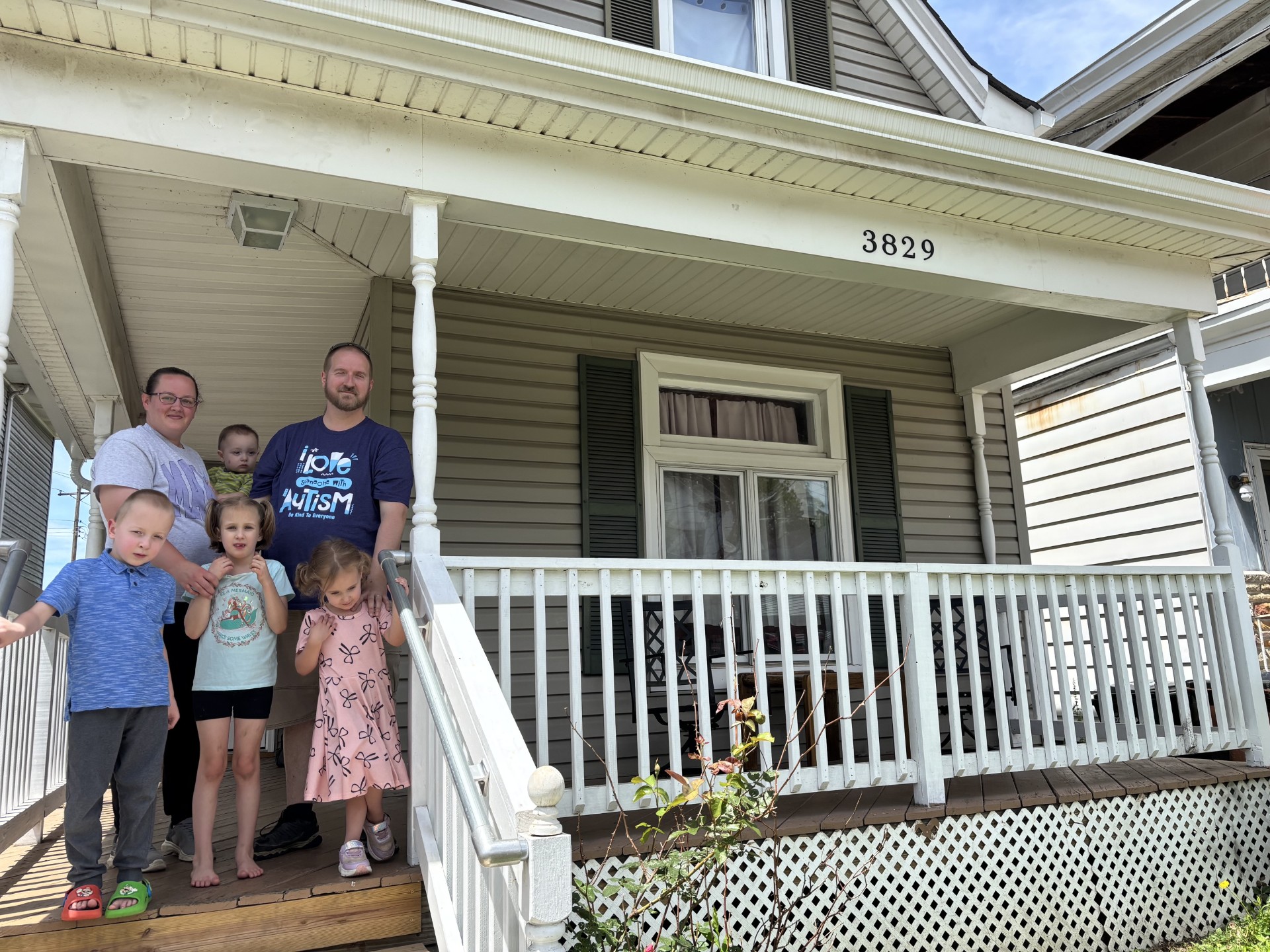
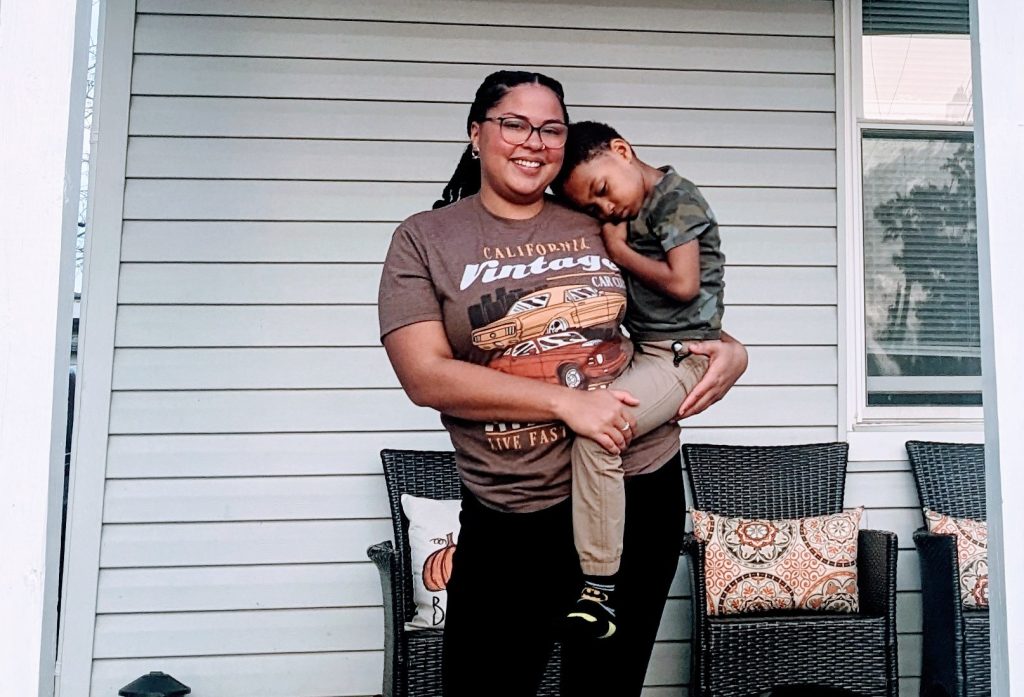
Since 1992, Housing Opportunities of Northern Kentucky has witnessed firsthand the lasting impact that homeownership can make on individuals, families, and communities, proving that making affordable housing available does more than just put a roof over someone’s head, it changes lives, strengthens neighborhoods and builds hope, one home and one family at a time.
For more information on the need for Housing Opportunities on Northern Kentucky, downloadResearch or Common Sense, Honk Works, written by our Director, Joseph Gallenstein and featured in our Summer 2006 newsletter.
Affordable housing affects a broad range of working families — starting police officers and teachers, health care workers, retail workers, service industry workers and many others who serve the community.
According to current federal guidelines, the cost of a family's housing should amount to less than 30 percent of household income. (HUD, 2006). But for many urban Northern Kentuckians, spending 30% or more of their incomes on shelter is the rule. (US Census, 2000).
A low income renter will pay more for housing over a lifetime than a middle income homeowner… and never build equity. The median net worth of a renter was $4,800 compared to $171,700 for homeowners in 2001. (National Association of Realtors, 2006)
The gap between the number of affordable housingunits and the number of people needing them is growing and has created a housing crisis for the working low-income family.
Housing cost has risen, putting homeownership opportunities out of reach for many low income families.
Yet homeownership is positively correlated to social stability, educational attainment, civic participation, better health, positive child outcomes, lower crime rates (National Association of Realtors, 2006)